
"City & Guilds"
80 article(s) found
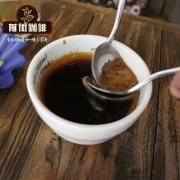
SCAE European sensory, extraction and barista course certification introduction SCAE sensory Primary and Intermediate Certification
Professional coffee knowledge exchange more coffee bean information please follow the coffee workshop (Wechat official account cafe_style) teacher profile: scae European Fine Coffee Association Coffee 100 Diploma Certification. Scae European boutique coffee association coffee trainer qualification. SCAA American boutique coffee association barista, roaster, trainer. CQI Cup Tester and SCAA International Coffee quality Evaluation

Rwanda Coffee Flavor treatment method
Rwandans have been growing coffee since colonial times, but until 1999, its products were still classified as below Class C and were not popular in the global market. The reason for the poor quality is that farmers do not have a fixed procedure for washing coffee beans and do not process coffee fruits according to specifications in time. Buyers buy coffee beans at $0.33 per kilogram, and farmers keep warm by the meagre profits earned at low prices.

Rwanda Coffee Flavor
Rwandans have been growing coffee since colonial times, but until 1999, its products were still classified as below Class C and were not popular in the global market. The reason for the poor quality is that farmers do not have a fixed procedure for washing coffee beans and do not process coffee fruits according to specifications in time. Buyers buy coffee beans at $0.33 per kilogram, and farmers keep warm by the meagre profits earned at low prices.

The Historical Origin of Rwandan Coffee
Historical editors originate that Rwandans have been growing coffee since colonial times, but until 1999, its products were still classified as below Class C and were not popular in the global market. The reason for the poor quality is that farmers do not have a fixed procedure for washing coffee beans and do not process coffee fruits according to specifications in time. Buyers buy coffee beans at $0.33 per kilogram, which farmers earn at low prices.

For Rwandan coffee beans, it is better to buy raw beans or roasted beans.
Rwandans have been growing coffee since colonial times, but until 1999, its products were still classified as below Class C and were not popular in the global market. The reason for the poor quality is that farmers do not have a fixed procedure for washing coffee beans and do not process coffee fruits according to specifications in time. Buyers buy coffee beans at $0.33 per kilogram, and farmers keep warm by the meagre profits earned at low prices.

Introduction of washed Rwanda coffee beans classification of fine coffee
Rwandans have been growing coffee since colonial times, but until 1999, its products were still classified as below Class C and were not popular in the global market. The reason for the poor quality is that farmers do not have a fixed procedure for washing coffee beans and do not process coffee fruits according to specifications in time. Buyers buy coffee beans at $0.33 per kilogram, and farmers keep warm by the meagre profits earned at low prices.

Rwanda Malaba Coffee introduces the treatment of boutique coffee
Rwandans have been growing coffee since colonial times, but until 1999, its products were still classified as below Class C and were not popular in the global market. The reason for the poor quality is that farmers do not have a fixed procedure for washing coffee beans and do not process coffee fruits according to specifications in time. Buyers buy coffee beans at $0.33 per kilogram, and farmers keep warm by the meagre profits earned at low prices.

The origin of coffee beans in Rwanda Coffee bean powder is too weak.
The Rwandans of origin have been growing coffee since colonial times, but until 1999, its products were still classified as below Class C and were not popular in the global market. The reason for the poor quality is that farmers do not have a fixed procedure for washing coffee beans and do not process coffee fruits according to specifications in time. Buyers buy coffee beans at $0.33 per kilogram, and farmers rely on the meagre profits earned at low prices.

An introduction to the characteristics of the manor producing area with a rich taste of Rwanda boutique coffee
Rwandans have been growing coffee since colonial times, but until 1999, its products were still classified as below Class C and were not popular in the global market. The reason for the poor quality is that farmers do not have a fixed procedure for washing coffee beans and do not process coffee fruits according to specifications in time. Buyers buy coffee beans at $0.33 per kilogram, and farmers keep warm by the meagre profits earned at low prices.

Introduction to the Variety Manor in Rwanda Coffee Bean production area by Grinding method
The taste of Rwandan coffee is described as a grassy aroma with tropical climates. in addition to the sweetness of fruit, this coffee also gives people a feeling of freshness, clarity, and freshness. Bourbon coffee grown in Rwanda is amazing for its sweet fruit, full-bodied, unrestrained and lingering aftertaste. This kind of coffee is delicious

Rwanda Coffee Origin Rwanda Coffee Taste
Rwandans have been growing coffee since colonial times, but until 1999, its products were still classified as below Class C and were not popular in the global market. The reason for the poor quality is that farmers do not have a fixed procedure for washing coffee beans and do not process coffee fruits according to specifications in time. Buyers buy coffee beans at $0.33 per kilogram, and farmers keep warm by the meagre profits earned at low prices.

The source of washed coffee from Rwanda
Rwandans have been growing coffee since colonial times, but until 1999, its products were still classified as below Class C and were not popular in the global market. The reason for the poor quality is that farmers do not have a fixed procedure for washing coffee beans and do not process coffee fruits according to specifications in time. Buyers buy coffee beans at $0.33 per kilogram, and farmers keep warm by the meagre profits earned at low prices.

El Salvador Coffee Brand Miravalle Mirabella Manor _ Mirabella Manor how to drink Black Honey
Professional coffee knowledge exchange more coffee bean information please follow the coffee workshop (Wechat official account cafe_style) treatment: washing (Wash) altitude: 1650 meters above sea level: bourbon certification: tropical rain forest certified roasting degree: shallow roasting extraction: Saifeng roasting day: 2018-9-12 tasting day: 2018-9-14 COE jury: aroma / flavor peach, cherry, black

The Origin of Rwandan Coffee Flavor Flavor Manor introduction to the Chilmel Manor in the Lute Xilo region of the Western Province
Rwandans have been growing coffee since colonial times, but until 1999, its products were still classified as below Class C and were not popular in the global market. The reason for the poor quality is that farmers do not have a fixed procedure for washing coffee beans and do not process coffee fruits according to specifications in time. Buyers buy coffee beans at $0.33 per kilogram, and farmers keep warm by the meagre profits earned at low prices.

Introduction to the treatment methods of fine Rwandan coffee beans
Rwandans have been growing coffee since colonial times, but until 1999, its products were still classified as below Class C and were not popular in the global market. The reason for the poor quality is that farmers do not have a fixed procedure for washing coffee beans and do not process coffee fruits according to specifications in time. Buyers buy coffee beans at $0.33 per kilogram, and farmers keep warm by the meagre profits earned at low prices.

Rwandan coffee varieties with rich flavors. Fine coffee beans. Flavor description.
In 1999, 220 coffee growers formed a union in the Malaba area (formerly part of Butare province) to combat the disease. Many of its members are farmers separated from their loved ones by the 1994 massacre, and some have husbands jailed or brought before traditional gacaca courts to face trial on charges of involvement in the massacre. They named it Abbawuza.

Jianguo University of Science and Technology Tourism Department drinks coffee and talks about right and wrong.
The Tourism Department of ▲ Jianguo University of Science and Technology offers a coffee preparation course. Students have to learn not only how to make coffee, but also how to choose beans. Students have professional classroom study and coffee skills. (photo / reporter Chen Yafang, April 25, 2017) there are many coffee chains in Taiwan, and many office workers are used to drinking a cup of coffee every day. In addition to drinking tea, drinking coffee has become a daily life of the Chinese people.
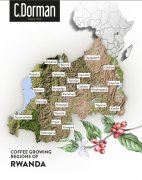
Rwanda Pearl Project| How to drink coffee beans in Rwanda and the development history of its coffee industry
Rwanda Pearl Project| Rwanda's weight in the traditional coffee world is not as good as Kenya and Ethiopia, but in recent years its growing reputation has attracted the attention of international boutique coffee. Rwanda's coffee industry has a story, which is inseparable from government support. Rwandans have been living in Rwanda
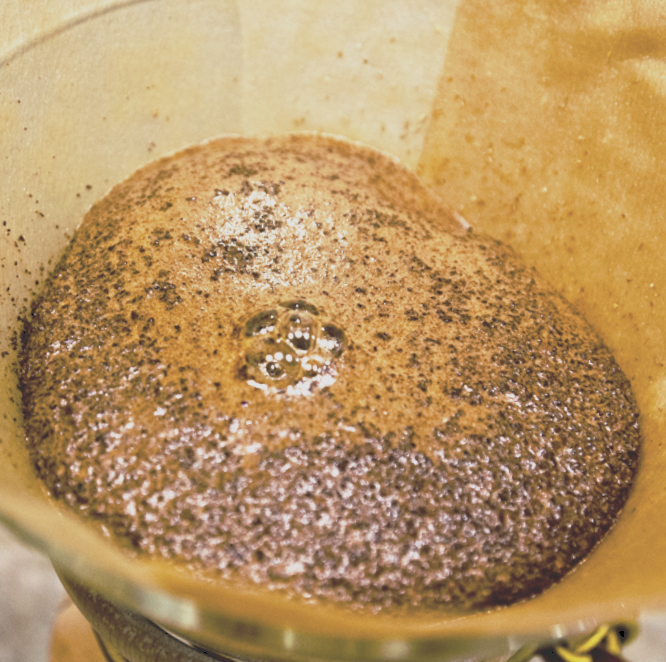
Sharing of hand punching skills: the necessity and parameter adjustment of "stuffy steaming"
Communication of professional baristas pay attention to the coffee workshop (Wechat official account cafe_style) many students in the process of learning hand flushing, in addition to the conventional round water injection method and cut off water method, the most often asked term is "steaming", and put forward a variety of strange statements, I think it is necessary to write an article about it to explain one or two. First of all, we all know coffee.
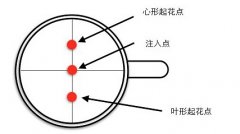
How to get started with professional baristas? Translation of the Handbook of Professional baristas (1)
Professional barista communication Please follow the coffee workshop (Wechat official account cafe_style) how to get started with professional baristas? Starting with coffee beans, many people think that knowing how to mix a cup of coffee is tantamount to putting coffee powder into a cup and then mixing it well with water and milk. In fact, this is a very common misunderstanding that makes people think that baristas are an easy industry to enter. In fact, coffee